.jpg)

Introduction
As we approach 2026, the digital ecosystem has evolved into a hyper-competitive arena where customer attention is fragmented across countless channels. The websites that thrive will be those engineered not just to attract visitors, but to convert them with precision and efficiency. In this context, conversion optimization ceases to be a technical afterthought and becomes a core business strategy.
With artificial intelligence reshaping user expectations, privacy regulations tightening, and customer acquisition costs soaring, businesses must rethink their approach to digital infrastructure. This article explores why high-converting websites will be the single most important asset for businesses in 2026 and how to build them.
The Evolution of Websites in the Digital Economy
Just a decade ago, a website served primarily as a digital brochure—a static representation of a company's offerings. Today, it functions as a dynamic, interactive hub that handles everything from lead generation and customer education to transaction processing and relationship nurturing.
The shift from informational to transactional has been accelerated by several factors: the maturation of e-commerce, the rise of SaaS business models, and the increasing sophistication of marketing automation. In 2026, this evolution continues as websites become predictive, personalized environments that adapt to individual user behavior in real-time.
Why Traffic Alone Is No Longer Enough
For years, digital marketing success was measured primarily by traffic volume. While visibility remains important, the economics of digital advertising have changed dramatically. With rising costs per click across major platforms, businesses can no longer afford to treat their websites as leaky buckets that lose potential customers at every turn.
Modern conversion optimization focuses on aligning website experiences with user intent. When a visitor arrives with a specific need or question, a high-converting website provides the answer while seamlessly guiding them toward the next logical step in their journey. This intent-matching capability separates market leaders from also-rans in crowded digital spaces.
What Makes a Website High-Converting
Building a high-converting website requires a strategic integration of multiple elements, each optimized for both user experience and business outcomes:
Clear Messaging
Within seconds of arriving, visitors should understand what you offer, who it's for, and why it's superior to alternatives. Value proposition clarity directly impacts conversion rates.
UX and Navigation
Intuitive information architecture reduces cognitive load and friction. Users should never wonder where to click next or how to find what they need.
Speed and Performance
With attention spans shorter than ever, every second of load time matters. Research shows that a one-second delay can reduce conversions by 7%.
Mobile-First Design
Over 60% of web traffic now comes from mobile devices. Websites must provide flawless experiences across all screen sizes and interaction methods.
Trust Signals
Security badges, customer testimonials, case studies, and professional design elements establish credibility that lowers conversion barriers.
Strategic CTAs
Every call-to-action should be contextually relevant, visually prominent, and communicate clear value to the user.
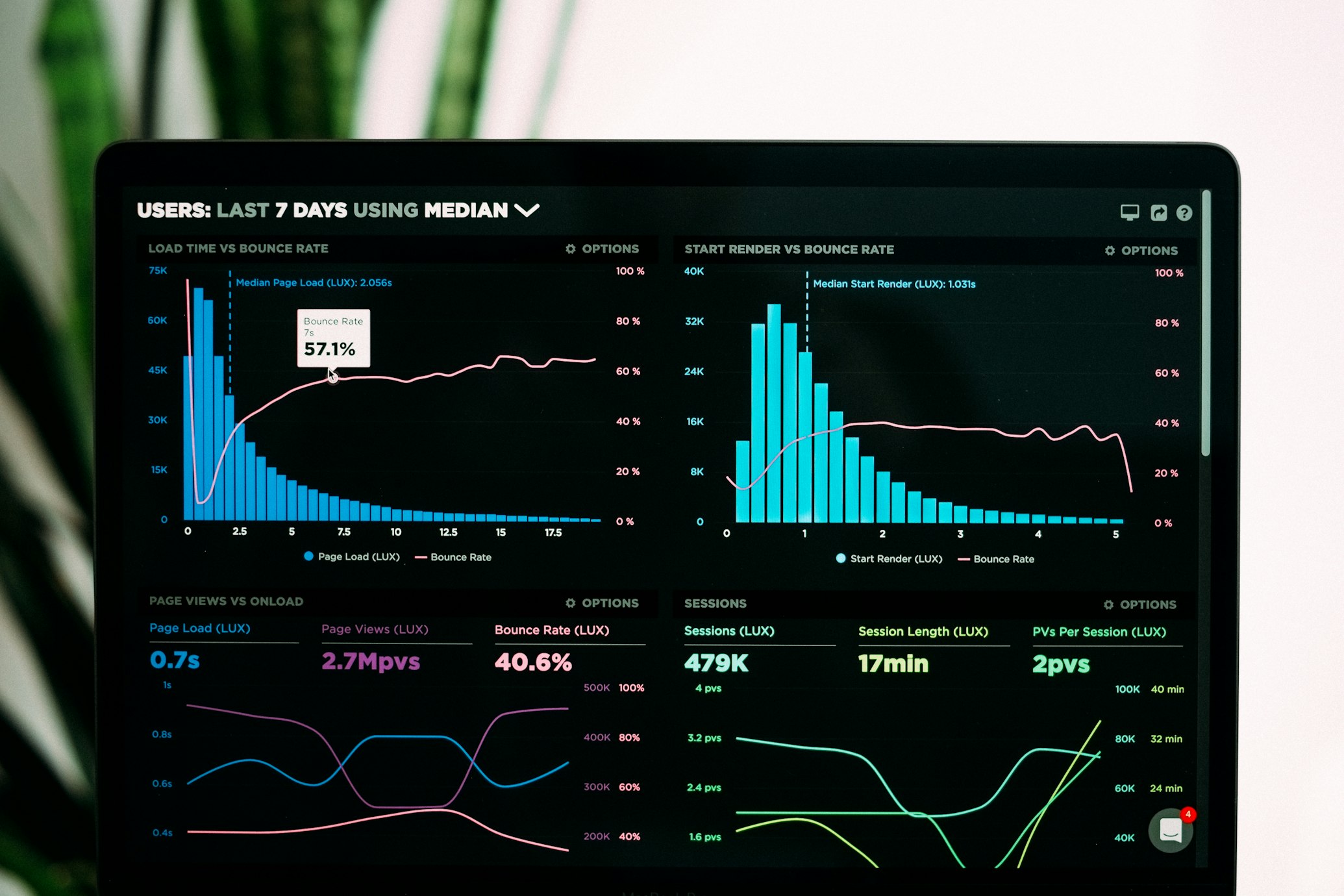
Advanced analytics and user behavior tracking are essential for understanding conversion pathways.
The Cost of Poor Website Performance in 2026
Underperforming websites create multiple drags on business growth that compound over time:
- Rising Ad Costs: Every click that doesn't convert represents wasted marketing spend that could reach 30-40% of digital budgets for inefficient websites.
- Lost Leads: Poor user experiences cause potential customers to abandon forms, exit pages prematurely, or seek competitors with smoother experiences.
- Missed Revenue: For e-commerce businesses, even small improvements in conversion rates translate to significant revenue gains given traffic volume.
- Brand Erosion: In an era of social sharing and review platforms, frustrating website experiences damage brand reputation beyond the immediate lost conversion.
High-Converting Websites as Business Infrastructure
Forward-thinking organizations treat their websites as critical business infrastructure rather than mere digital real estate. This perspective shift unlocks several strategic advantages:
- Marketing Efficiency: Higher conversion rates mean lower customer acquisition costs and better ROI from existing marketing channels.
- Sales Enablement: Well-designed websites pre-qualify leads, answer common objections, and schedule appointments—freeing sales teams to focus on closing.
- Brand Trust: A professional, high-performing website establishes credibility that carries through the entire customer journey.
- Scalability: Automated conversion pathways allow businesses to handle increased traffic without proportional increases in support or sales staff.
Common Mistakes Businesses Still Make
Despite increased awareness of conversion optimization principles, many organizations continue to make fundamental errors:
- Designing for Stakeholders Instead of Users: Internal preferences often override data-driven decisions about what actually converts visitors.
- Treating the Website as a One-Time Project: High-converting websites require continuous testing, optimization, and content updates.
- Ignoring Mobile Experience: With mobile traffic dominating, any design that isn't mobile-first is fundamentally flawed.
- Overcomplicating Navigation: Complex menus and unclear information architecture create friction that reduces conversions.
- Hiding Contact Information: Making it difficult for potential customers to contact you signals lack of transparency and reduces trust.
What Businesses Should Focus on Going Forward
As we move into 2026, strategic focus should shift toward these key areas:
- Personalization at Scale: Leverage AI and machine learning to deliver tailored experiences based on user behavior, demographics, and intent signals.
- Voice Search Optimization: With voice assistants becoming ubiquitous, websites must adapt content and structure for conversational queries.
- Core Web Vitals Excellence: Google's user experience metrics directly impact search rankings and conversion rates—treat them as business KPIs.
- Accessibility as Standard Practice: Inclusive design isn't just ethical; it expands your potential customer base and improves UX for all visitors.
- Conversion-Centered Design: Every design decision should be evaluated through the lens of how it influences user behavior toward business goals.
Conclusion
The distinction between high-converting and underperforming websites will increasingly determine which businesses thrive in 2026's digital economy. As customer expectations rise and competition intensifies, conversion optimization transitions from a technical specialty to a core business competency.
Organizations that invest in understanding their users, testing assumptions, and continuously optimizing their digital experiences will build sustainable competitive advantages. Those that treat their websites as static brochures will find themselves allocating ever-increasing budgets to drive traffic to experiences that fail to convert.
The path forward requires shifting perspective: your website isn't a cost center or a digital accessory—it's your most scalable, measurable, and controllable revenue channel. Treat it accordingly.